
Discovering the Essence of UK Plinko: A Journey Through Chance and Innovation
In the ever-evolving landscape of gaming entertainment, UK Plinko emerges as a captivating blend of simplicity and thrill, drawing enthusiasts into a world where gravity and luck intertwine. This variant, tailored to the preferences of British players, has grown from humble beginnings into a sophisticated digital pursuit, offering an accessible entry point for those seeking excitement without the complexity of traditional casino games. As we explore the depths of this phenomenon, we'll uncover its historical foundations, mechanical intricacies, cultural adaptations within the UK, and the technological advancements that continue to shape its future, providing a comprehensive view that highlights why it remains a favorite among diverse audiences.
Historical Foundations: Tracing the Path from Television to British Shores
The origins of plinko trace back to the vibrant era of American game shows in the 1970s, where it first captivated viewers as a segment in a long-running program. Contestants would release a small disc onto a peg-filled board, watching intently as it careened downward, its path altered by each collision until it settled into a prize slot below. This setup, with its audible clinks and mounting suspense, wasn't just entertainment; it embodied the unpredictability of fortune, resonating deeply with audiences who saw reflections of their own life choices in the disc's erratic journey. The game's appeal lay in its democratic nature—no prior skills were needed, just a moment of decision and the whims of physics.
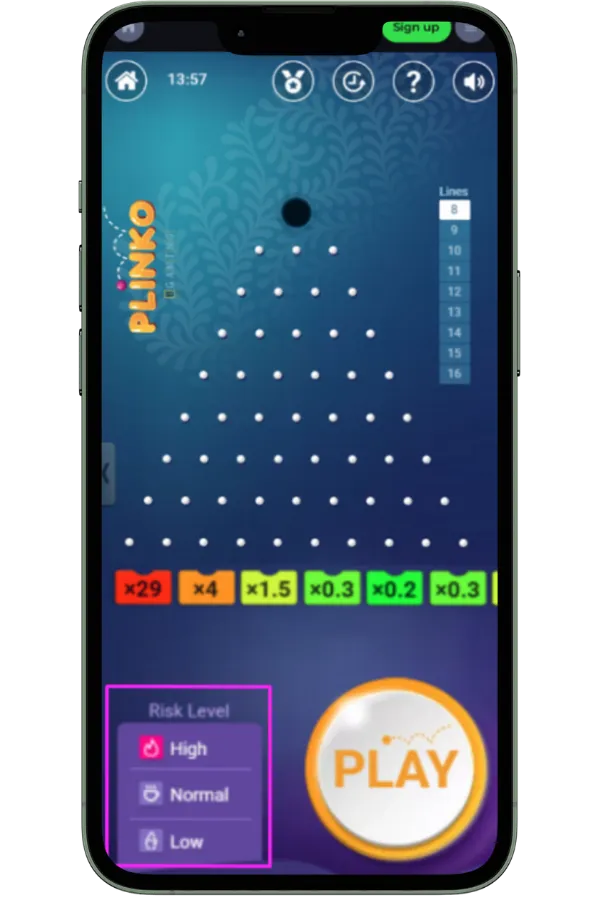
As the concept spread across the Atlantic, it found fertile ground in the UK during the 1980s and 1990s. British adaptations appeared in charity events and local fetes, where wooden boards mimicked the original design, often customized with pounds sterling prizes to appeal to home crowds. Imagine a rainy afternoon at a village fair in the countryside, families huddled around a makeshift setup, cheering as chips tumbled through the maze. These early incarnations introduced plinko casino elements subtly, with small wagers adding a layer of risk that mirrored the nation's fondness for betting traditions, from horse racing to lotteries. By the turn of the millennium, as online gaming surged, UK developers began incorporating the mechanic into virtual platforms, blending nostalgia with modern accessibility. This transition wasn't abrupt; it evolved through arcade machines in seaside towns like Blackpool, where electronic versions offered flashing lights and amplified sounds, drawing in tourists and locals alike.
The cultural integration deepened as media references proliferated. British television shows and comedies alluded to the game's randomness, using it as a punchline for life's absurdities. In literature, authors drew parallels to existential themes, portraying the board as a metaphor for societal structures guiding individual fates. This historical tapestry illustrates how plinko uk has not merely been imported but reimagined, aligning with the British penchant for understated elegance in entertainment, where thrill comes from subtlety rather than spectacle.
Mechanical Intricacies: The Science of Drops and Deflections
Delving into the core of plinko slot reveals a fascinating interplay of physics and probability that underpins every play. The board, typically a vertical plane dotted with evenly spaced pegs, creates a network of potential paths for the falling puck. Upon release, gravity pulls it downward, and each peg encounter introduces a binary choice—left or right deflection—governed by momentum and angle. This results in a probabilistic distribution, where the puck's final resting place follows a pattern akin to a normal curve, with higher chances of landing centrally due to the cumulative effects of multiple bounces.
In physical setups, material choices matter immensely. A puck made of dense plastic might hug the pegs differently than a lighter foam one, influencing speed and trajectory. Board incline, often set at around 45 degrees, ensures steady descent without stalling, while peg density controls volatility—sparser arrangements yield more extreme outcomes, heightening excitement. For UK players, these mechanics are often fine-tuned in licensed venues to comply with gambling regulations, ensuring fairness through calibrated designs that prevent biases.
Digitally, plinko casino platforms employ sophisticated simulations. Random number generators replicate the chaos, using algorithms to assign deflection probabilities, ensuring each drop is independent and unpredictable. Players can adjust parameters like row count—eight rows for brisk games or sixteen for prolonged tension—or volatility levels, where low settings favor frequent modest wins, suiting cautious bettors, and high ones chase substantial multipliers for the bold. This customization empowers users, turning a game of chance into a personalized adventure. Mathematically, the odds can be modeled using binomial theorems; for a ten-row board, the probability of an edge slot might be as low as 0.1%, underscoring the allure of rarity. Such analyses not only demystify the game but also guide strategic betting, where understanding variance helps manage expectations and bankrolls effectively.
Cultural Adaptations: Plinko in the British Context
Within the UK, plinko uk has woven itself into the fabric of leisure activities, adapting to local tastes and regulatory frameworks. The Gambling Act of 2005 played a pivotal role, standardizing online offerings and ensuring player protections, which in turn boosted confidence in digital plinko slot variants. British platforms often feature themes resonant with national identity—think boards styled after iconic landmarks like Big Ben or the rolling hills of the Cotswolds, with pucks emblazoned in Union Jack motifs. This localization fosters a sense of familiarity, making the game feel less like an import and more like a homegrown pastime.
Socially, it appeals across demographics. In bustling cities like London, young professionals might engage during lunch breaks via mobile apps, appreciating the quick sessions that fit hectic schedules. In quieter rural areas, community halls host charity versions, where proceeds support local causes, blending fun with philanthropy—a nod to the UK's strong volunteering tradition. The game's inclusivity shines here; unlike poker, which demands bluffing acumen, plinko requires no expertise, leveling the field for novices and veterans alike. Anecdotes from players highlight this: a retiree in Scotland might recount a modest win funding a family outing, while a student in Manchester shares tales of group plays during university nights.
Regulatory bodies like the UK Gambling Commission oversee fairness, mandating RTP (return to player) rates above 90% for plinko casino games, which builds trust. This environment encourages responsible engagement, with features like session timers integrated seamlessly. Culturally, the game's rise parallels the boom in online betting, fueled by events like the Premier League, where similar elements of chance captivate fans. Yet, plinko stands out for its visual purity, offering a respite from data-heavy sports wagers, focusing instead on the mesmerizing descent that captivates the senses.
Technological Advancements: From Analog to Augmented Realities
The digital era has propelled plinko into new dimensions, particularly in the UK where high-speed broadband enables seamless experiences. Early online versions in the 2000s were basic Flash-based simulations, but advancements in HTML5 and WebGL have ushered in high-definition graphics, with pucks that glint realistically under virtual lights and pegs that flex upon impact. Mobile optimization has been key; apps allow portrait-mode play, with haptic feedback mimicking physical vibrations, enhancing immersion on devices like iPhones or Androids prevalent in British households.
Integration with emerging tech adds layers. Virtual reality (VR) setups let players "stand" before colossal boards in simulated casinos, releasing pucks with controller gestures, a feature gaining traction in UK tech hubs like Cambridge. Augmented reality (AR) overlays digital boards onto real environments—imagine dropping a puck over your kitchen table via a smartphone camera. Blockchain technology introduces provably fair systems, where UK players can verify drop outcomes through transparent ledgers, aligning with the nation's emphasis on data privacy under GDPR.
Live dealer integrations bring social flair, with hosts in studios narrating drops in real-time, fostering community akin to pub quizzes. Data analytics personalize offerings; algorithms suggest board configurations based on past plays, optimizing for enjoyment. Economic models evolve too—freemium apps offer ad-free upgrades, while subscription tiers unlock exclusive themes. These innovations ensure plinko slot remains fresh, adapting to tech-savvy Brits who demand more than static games.
Psychological Allure: The Mind Behind the Drop
The enduring draw of plinko casino lies in its psychological hooks. Each drop triggers anticipation, activating brain reward pathways similar to those in anticipation of a gift. The "near-miss" phenomenon—when a puck teeters near a high multiplier—fuels persistence, a trait evolutionary psychologists link to foraging instincts. In the UK, where stoicism is valued, this controlled risk provides an outlet for excitement without overt emotional displays.
Cognitive aspects include pattern-seeking; players might perceive streaks in random outcomes, a bias countered by educational resources on platforms. Social psychology notes its role in bonding—shared sessions via multiplayer modes build camaraderie, echoing British tea-time conversations. Therapeutically, it offers mindfulness; focusing on the descent can alleviate stress, a benefit touted in wellness apps. Demographic studies show appeal spans ages: millennials favor high-volatility for thrills, while older generations prefer steady plays. This mental engagement elevates plinko uk beyond mere gambling, into a realm of introspective fun.
Comparative Insights: Variants and Performance Metrics
To appreciate the diversity, consider how UK adaptations compare globally. Standard plinko boards emphasize balance, but UK versions often incorporate higher RTPs to comply with regulations. Volatility varies: low for casual play, high for jackpot chasers. Here's a table outlining key metrics across popular formats:
| Format Type | Average RTP (%) | Volatility Level | Unique UK Feature | Player Demographic |
|---|---|---|---|---|
| Classic Physical | 92 | Medium | Charity Tie-Ins | Family-Oriented |
| Online Standard | 95 | Low to Medium | Themed Landmarks | Urban Professionals |
| Mobile App | 94 | Variable | Haptic Feedback | Young Adults |
| VR Enhanced | 93 | High | Immersive Environments | Tech Enthusiasts |
| Live Dealer | 96 | Medium to High | Real-Time Commentary | Social Gamers |
Responsible Practices: Navigating the Landscape Ethically
In the UK, emphasis on responsible gaming shapes plinko experiences. Operators provide self-assessment quizzes, deposit caps, and cooling-off periods, aligning with national campaigns like GambleAware. Educational content explains odds transparently, empowering informed choices. Community forums discuss strategies, promoting moderation. This framework ensures enjoyment without detriment, reflecting societal values of fairness and well-being.
Future Trajectories: Emerging Horizons in Gaming
Looking ahead, plinko casino could integrate AI for predictive personalization, suggesting optimal drops based on user data. Sustainability efforts might see eco-friendly servers powering platforms, appealing to environmentally conscious Brits. Global collaborations could introduce cross-cultural themes, enriching variety.
In wrapping up this exploration, the adaptability of UK Plinko stands as a testament to its timeless charm, bridging past and present in the gaming sphere. As innovations unfold, its core essence— the thrilling uncertainty of each drop—continues to enchant, promising enduring relevance in an ever-changing world.